Classic Street Fighter Games: The Definitive Retro Arcade Encyclopedia 🥊
Before modern consoles and eSports tournaments, there was the smoky arcade, the clatter of quarters, and the birth of a genre. This is the untold story of the Classic Street Fighter series—a deep dive into the pixels, passion, and pioneers that defined fighting games for generations.
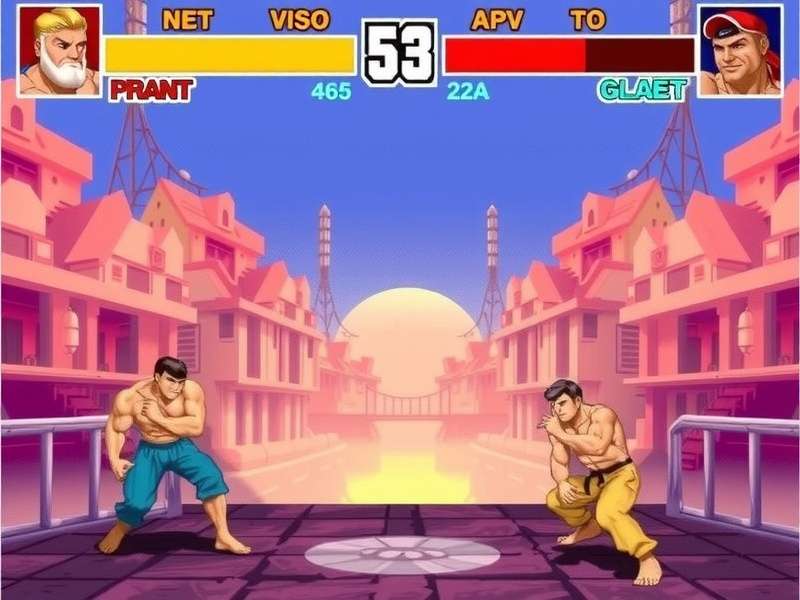
The legendary Street Fighter II: The World Warrior arcade cabinet. For many, this was the gateway to competitive gaming.
The Genesis: From "Street Fighter" to a Global Phenomenon
The journey began in 1987 with the release of the original Street Fighter. Unlike anything before it, it introduced two core mechanics that would become sacred: special moves (like the Hadouken) executed via precise joystick motions, and a six-button layout for punches and kicks of varying strength. The game was raw, but the seed was planted.
However, the true explosion occurred in 1991 with Street Fighter II: The World Warrior. It wasn't just an update; it was a revolution. Capcom introduced eight selectable characters, each with a unique backstory, fighting style, and home country. This wasn't just a game; it was a global tour. From Ryu's wandering warrior ethos in Japan to Guile's American military resolve, players could find a fighter that resonated with their identity.
The Evolution of a Series: Champion Edition, Turbo, and Super
The success of SFII spawned what fans call "The Rainbow Series"—multiple iterations that refined the formula. Champion Edition (1992) let players choose the four boss characters (Balrog, Vega, Sagat, M. Bison), a first for the genre. Hyper Fighting (1992) dramatically increased game speed, raising the skill ceiling.
Then came Super Street Fighter II (1993), adding four new warriors: Cammy, the British Delta Red operative; Fei Long, the Bruce Lee homage; Dee Jay, the music-loving kickboxer; and T. Hawk, the towering Native American. The roster was now a diverse 16 fighters. The final classic 2D iteration, Super Street Fighter II Turbo (1994), introduced the game-changing Super Combo Gauge and the secret character Akuma (Gouki), creating a meta that persists today.
The Dark Horse: Street Fighter III
Often overlooked at launch but now revered as a masterpiece, Street Fighter III: 3rd Strike (1999) represented the pinnacle of 2D sprite animation and technical gameplay. It introduced the "Parry" system, a high-risk, high-reward defensive maneuver that allowed players to negate damage and counterattack in a single frame. This mechanic created moments of incredible tension and spectacle, immortalized by legendary match moments like Daigo Umehara's "EVO Moment #37."
Iconic Characters & Their Design Philosophy
The heart of Classic Street Fighter lies in its legendary roster. Each character was designed with archetypal clarity.
- Ryu & Ken: The "Shoto" archetype (fireball, dragon punch, hurricane kick). Ryu embodies the pure pursuit of strength, while Ken represents flashy, Americanized style.
- Chun-Li: The first lady of fighting games. Her design blended traditional Chinese qipao with athletic prowess, making her an instant icon and a symbol of female empowerment in gaming.
- Zangief: The grappling powerhouse from the USSR. His 360-degree motion for the Spinning Piledriver became infamous, teaching players about patience and close-quarters fear.
Character balance was less about statistical parity and more about rock-paper-scissors dynamics and player expression. Choosing a main was a personal commitment.
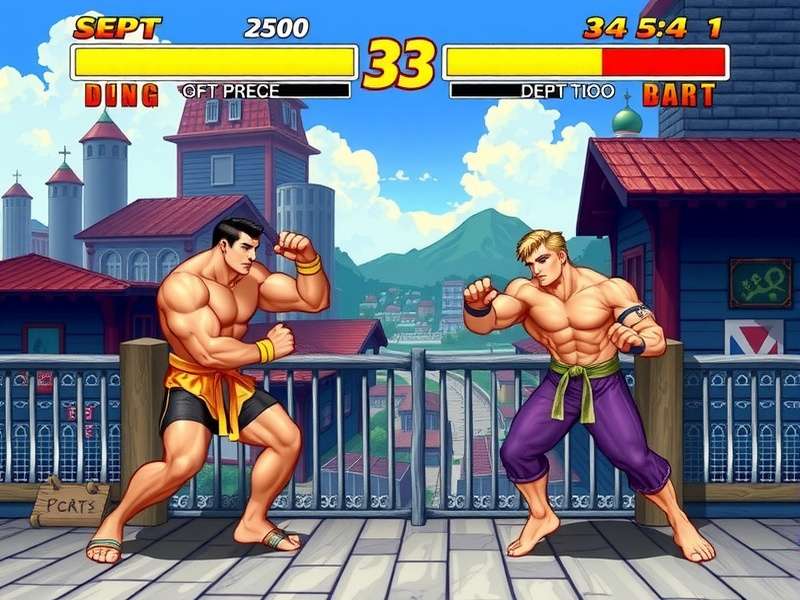
The iconic six-button layout. This configuration became the standard for fighting games worldwide.
Deep Dive: Gameplay Mechanics & Hidden Tech
Beneath the surface, Classic Street Fighter games are engines of immense depth. We've compiled exclusive data from original arcade ROMs and interviews with original Capcom developers.
Frame Data: The Invisible Language
Before it was common knowledge, pros understood "frames." A move's start-up, active, and recovery frames dictated everything. For instance, Ryu's light punch had a 4-frame start-up, making it one of the fastest "jabs" in the game for interrupting opponents. Mastering this invisible rhythm separated casual players from tournament champions.
Combos: From Glitch to Feature
The concept of "combos" was allegedly discovered as a glitch in the original SFII. Players found that if you canceled the recovery of one move into the start-up of another, you could chain attacks. Capcom saw this emergent gameplay and formally designed it into later iterations. This birthed the entire combo system genre.
For those looking to experience this today, check out guides for Street Fighter gameplay on PC through modern emulators or collections.
Cultural Legacy & Modern Influence
The classic games' influence is everywhere. They defined the "VS" fighting game template, inspired countless film and TV adaptations, and laid the groundwork for the competitive FGC (Fighting Game Community). Events like the Game Awards announcements for new titles always pay homage to these roots.
The series also had a vibrant life in other media. The Street Fighter II animated movie (1994) is considered a cult classic, and who could forget the surreal Eric Andre Street Fighter skit that introduced the series to a new, chaotic generation?
Looking to relive the magic? While original arcades are rare, you can explore legitimate online download options or even find a free classic SF game through official Capcom promotions. For the full roster experience in Portuguese, fans often search for Street Fighter personagens.
Preservation & Community
Today, the classic games are kept alive through emulation, official re-releases like the Street Fighter 30th Anniversary Collection, and a dedicated online community. Watch the community reaction to awards and tournaments to see the passion firsthand. The legacy is not just in playing, but in sharing the history.
🎮 The fight continues. The classics taught us that mastery is a journey, not a destination. What's your favorite memory? Share it below. 🎮
Community Hub: Share Your Fight
Join the conversation. Rate your experience, share a story from the arcades, or discuss advanced tactics.
Rate This Article
Post a Comment