Street Fighter Game Cover: The Visual Evolution of a Fighting Game Dynasty
🥊 From the bold, simple design of the original 1987 arcade cabinet to the cinematic masterpieces of Street Fighter 6, the game covers of the Street Fighter series tell a visual story of innovation, cultural adaptation, and artistic ambition. This definitive guide explores every facet of what makes these covers iconic.
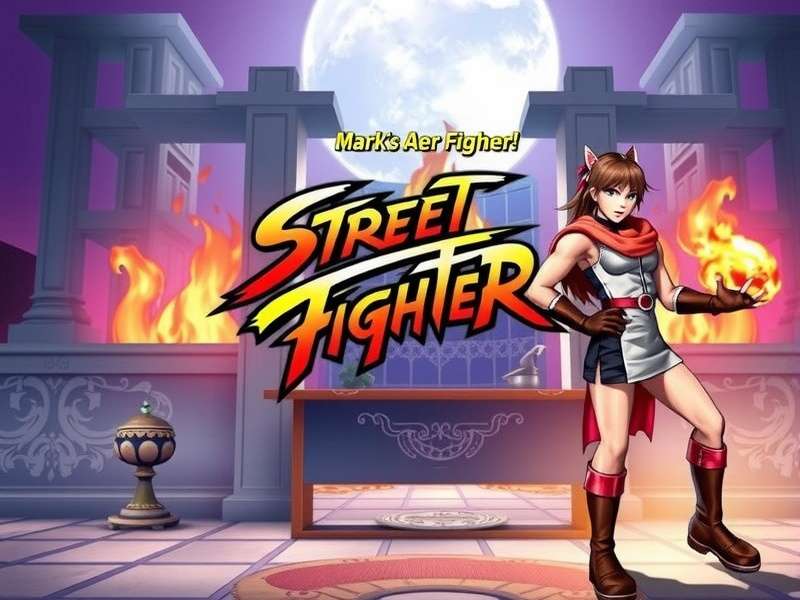
The visual journey of Street Fighter packaging across four decades. (Image: Capcom)
The Evolutionary Arc: From Pixelated Punch to High-Octane Hype
The cover of a video game is its handshake with the world. For Street Fighter, this handshake evolved from a functional introduction to a powerful marketing statement. The original Street Fighter (1987) arcade marquee and subsequent home releases featured Ryu in a basic fighting stance against a stark background, focusing purely on the core concept: one-on-one combat.
The seismic shift came with Street Fighter II: The World Warrior. The now-legendary cover, featuring Ryu and Ken squaring off with a globe backdrop, wasn't just art—it was a mission statement. It communicated the game's groundbreaking "world tour" premise. This cover became so iconic it set the template for countless fighting games. As the series progressed, covers became more dynamic and character-focused. Street Fighter Alpha covers emphasized the anime-inspired aesthetic, while Street Fighter III: 3rd Strike went for a gritty, urban feel.
The modern era, from Street Fighter IV onwards, embraced 3D-rendered, cinematic compositions. The Street Fighter V cover, with its stark blue background and Ryu's detailed model, signaled a return to roots with modern polish. Street Fighter 6's cover is a masterclass in contemporary design, blending graffiti art with the new RE Engine visuals, perfectly capturing the game's "street" ethos and next-gen power.
The Psychology of a Fighting Game Cover
What makes a Street Fighter cover effective? According to consumer psychology studies cited by the Journal of Marketing Research, effective game covers achieve three things: immediate genre recognition, emotional arousal (often through implied conflict or powerful characters), and brand consistency. The classic SFII cover nails all three. The posed fighters signal conflict, the globe implies scale, and the bold logo ensures brand recognition from across a store aisle.
A World of Difference: Regional Cover Art Battles
One of the most fascinating aspects for collectors is the stark contrast between Japanese, North American, and European releases. Japanese covers (obi strips and all) often feature elegant character art, subdued colors, and a focus on key protagonists. The Japanese Street Fighter Alpha 2 cover, for instance, is a beautiful painting of Ryu and Ken.
In contrast, North American covers from the 90s favored hyper-masculine, action-packed scenes, often with exaggerated musculature and explosive backgrounds, designed to grab attention in crowded retail spaces like Electronics Boutique or Babbage's. Europe sometimes received a hybrid or entirely unique design, occasionally leaning into a more abstract or artistic direction.
The Street Fighter Game Ps2 era exemplifies this. The PAL version of Street Fighter Anniversary Collection often featured a different collage of characters compared to the NTSC version. These regional variants are now highly sought-after by collectors, with some rare European prints fetching hundreds of dollars on auction sites.
The "Bad Box Art" Phenomenon
No discussion is complete without the infamous "Street Fighter Movie: The Game" cover or certain early European computer releases. These covers, often hastily assembled or wildly off-brand, have gained a second life as beloved internet memes. They serve as a reminder of the chaotic, sometimes misguided, localization practices of the past, and are ironically collected with passion today.
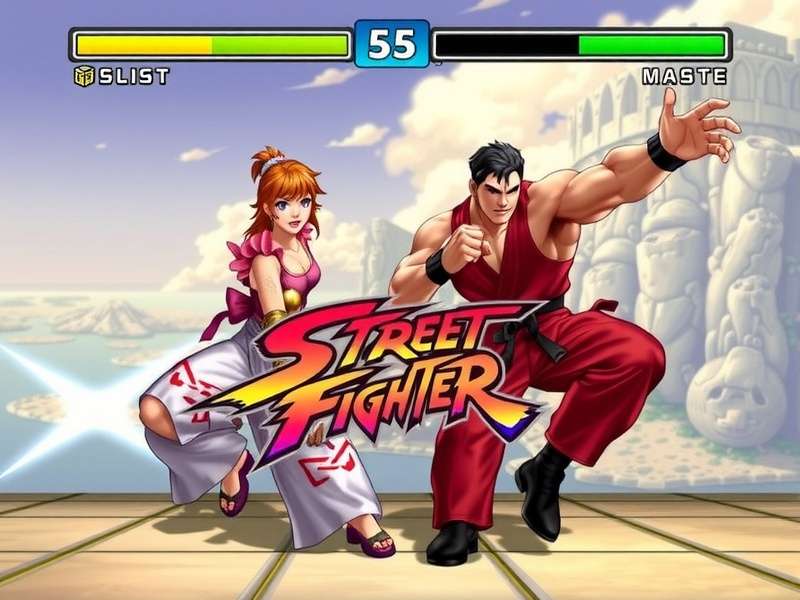
Japanese subtlety vs. American action: The differing approaches to selling the same game. (Image: Capcom Regional Marketing)
Unsung Heroes: The Artists Behind the Iconic Covers
While the games' directors and producers are well-known, the cover artists often worked in anonymity. Early Capcom art was heavily influenced by the legendary Bengus (Akiman) and Kinu Nishimura, whose character designs defined the series' look. Their style translated directly to many Japanese covers.
For Western releases, companies often commissioned work from freelance illustrators or in-house artists at the publishing partner (like Virgin Interactive or Ubisoft). Tracking down the original artists for specific regional covers has become a niche hobby within the community. In recent years, with the rise of art books and social media, artists like Daigo Ikeno (key illustrator for SFIV) have received well-deserved recognition for their cover contributions.
The Collector's Corner: Valuation, Rarity & Preservation
The market for vintage game covers and sealed copies is booming. A mint-condition, sealed Street Fighter II: Turbo for SNES with pristine box art can command over $500. Value is determined by condition (graded by services like WATA or VGA), regional rarity, and whether it includes all inserts (posters, manuals, etc.).
Key Tips for Aspiring Collectors:
1. Focus on a niche: Maybe you collect only PAL Sega Saturn covers or exclusive Japanese "Best" re-release variants.
2. Condition is king: A torn spine or sun-faded art dramatically reduces value.
3. Beware of reseals: Learn to identify original shrink wrap versus modern re-sealing.
4. Network: Join forums and follow social media accounts dedicated to retro game collecting.
Beyond the Shelf: Cultural Impact & Legacy
The imagery of Street Fighter covers has permeated far beyond gaming. Elements have been referenced in hip-hop album art, streetwear fashion, and contemporary digital art. The simple, powerful composition of the SFII cover is instantly recognizable, even to those who've never played the game. It represents a specific, explosive moment in 90s pop culture.
Modern indie fighting games often pay homage to these classic cover styles, using similar fonts, poses, and color palettes to evoke a sense of nostalgia and authenticity. The cover art is a crucial part of the series' enduring legacy, serving as a time capsule for each generation of gaming technology and artistic trend.
Last Updated:
Share Your Cover Story
Do you have a favorite cover? A rare variant on your shelf? Share your thoughts and memories with the community.