Street Fighter Gameplay Free: The Ultimate Fighter's Guide
Last Updated: July 16, 2025
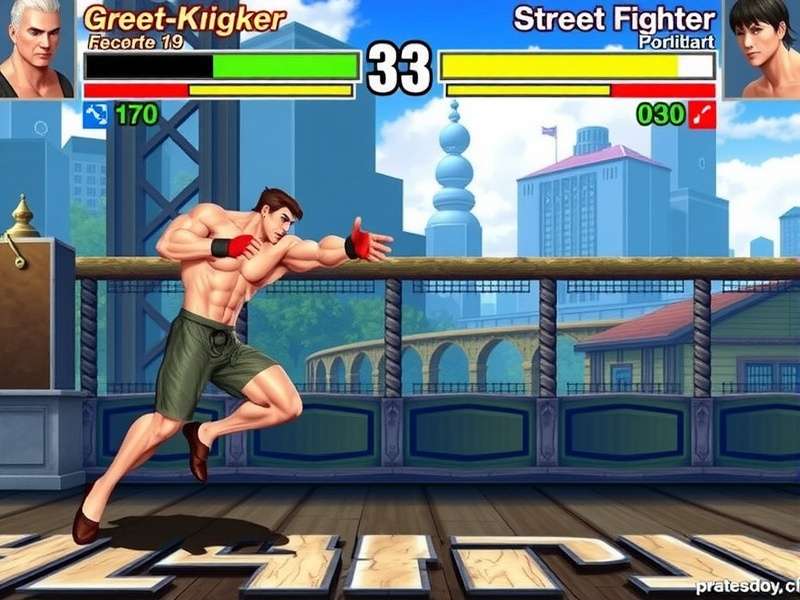
Welcome to the World of Street Fighter Gameplay
Street Fighter isn't just a game—it's a cultural phenomenon that has defined the fighting game genre for over three decades. Since the original arcade release in 1987, the franchise has evolved from humble pixelated beginnings into a global esports powerhouse. This definitive guide will walk you through every facet of Street Fighter gameplay free—from fundamental mechanics to advanced combos, character breakdowns, and the best ways to play without paying a dime.
Whether you're a seasoned veteran or a curious newcomer, this guide covers everything you need to know about systems, technique, and the vibrant community that keeps the flame burning. The best part? You don't need to spend a cent to enjoy the action. From browser-based classics to free trials of modern installments, there are countless ways to experience the legendary gameplay.
"The fight is everything. It defines who you are." — Ryu, Street Fighter
The Evolution of Street Fighter: From Arcade to Free Online Play
Understanding where Street Fighter came from helps players appreciate the mechanics that define the series today. The journey from coin-operated arcades to free-to-play online platforms is a remarkable story of innovation and resilience.
The Arcade Era (1987-1991)
The original Street Fighter released in 1987 was ahead of its time. It introduced six-button controls—a radical concept then—and a health bar that stretched across the top of the screen. But it lacked something crucial: the ability to play as multiple characters. You fought as Ryu only, facing a roster of computer-controlled opponents. The game was a modest success, but its sequel changed everything.
Street Fighter II: The Revolution
In 1991, Street Fighter II landed in arcades and single-handedly revived the fighting game genre. It introduced selectable characters, each with unique fighting styles, special moves, and music. The competitive scene was born as players lined up quarters to challenge each other. This is where the community culture began—the local arcade became a battleground.
The 90s Fighting Game Boom
The success of Street Fighter II spawned a flood of imitators. From Mortal Kombat to King of Fighters, the genre exploded. But Street Fighter remained the standard-bearer, with iterative updates (SFII Champion Edition, Hyper Fighting, Super SFII) adding new characters and balance tweaks that kept the meta fresh. The 90s also brought console ports, making the game accessible at home.
The Modern Era: Street Fighter V and Free-to-Play
Capcom's approach evolved over the years. Street Fighter V shook the industry in 2016 with its free-to-play "Base Edition" updates and a live service model that kept the game relevant for years. While the core required purchase, regular free trials and special events let players experience the gameplay without upfront costs. This paved the way for the broader "free play" ecosystem that fans enjoy today.
The latest evolution, Street Fighter 6, continues this trend with demo versions and online modes that offer free play periods. The classic games, including the original SFII and SFIII, are also preserved in browser-based emulators and official collections, allowing fans to play Street Fighter games online free play no download PC.
Mastering the Basics: Controls and Core Mechanics
At its heart, Street Fighter is a game of anticipation and reaction. The controls have remained remarkably consistent across the series—a testament to the timelessness of the design. Let's break down the fundamentals.
The Six-Button Layout
Street Fighter uses six buttons: three for punch (Light, Medium, Heavy) and three for kick (Light, Medium, Heavy). This layout, first seen in 1987, was designed to give players a range of attack speeds and powers:
- Light Punch (LP) — Fast, low damage, great for jabs and interrupting oncoming attacks.
- Medium Punch (MP) — Balanced speed and damage, often used in combo starters.
- Heavy Punch (HP) — Slow, high damage, powerful when feared into.
- Light Kick (LK) — The fastest move in the game, ideal for rapid pokes.
- Medium Kick (MK) — Excellent for keep-away and spacing control.
- Heavy Kick (HK) — Big sweep, best for sweeping the opponent's legs or catching jumps.
Understanding when to use each button is the most important skill a new player can develop. A common mistake is relying on heavy attacks because they hit hard—but they miss often against skilled players. The real game is about footsies: controlling the space between you and your opponent.
Movement and Spacing
Your character can walk forward, walk backward, jump, crouch, and dash (in some versions). Movement is your defensive tool as much as an offensive one. Walking backward to bait a whiffed attack, then punishing with your own—this is the ebb and flow of combat. Jumping can be risky because well-timed anti-air attacks will punish you. Crouching is essential for avoiding high attacks and setting up low attacks.
Special Moves and the Quarter-Circle
Special moves are the iconic flame-tossing, Sonic Booming attacks that define each character. They're executed with specific joystick directions and button inputs. The most common is the "quarter-circle forward" (down, down-forward, forward + Punch), which triggers a fireball (Hadouken) for Ryu and Ken.
Here's a quick list of common inputs:
- QCF + Punch: Hadouken (fireball)
- DP + Punch: Shoryuken (dragon punch, invincible upward strike)
- QCB + Kick: Tatsu (hurricane kick)
- Charge back, then forward + Punch: Sonic Boom (Guile)
- 360 rotation + Punch: Spinning Pile Driver (Zangief)
Mastering these inputs is made easier with practice mode—which is often free in modern games. The muscle memory is real, but the sweet satisfaction of landing a perfectly executed special move makes you feel like a true fighter.
Core Gameplay Systems Explained
Beyond basic attacks, each Street Fighter game introduces its own unique systems that define the meta. From Focus Attacks in SFIV to the V-System in SFV and the Drive System in SF6, you need to understand these mechanics to improve.
The Drive System (SF6)
Just came out in 2023, Street Fighter 6 modernized the formula with the Drive Gauge, a six-level resource bar that powers several techniques:
- Drive Impact (MP+MK): A heavy, armored lunge that crumples on hit and wallsplats on block. It's the ultimate read tool.
- Drive Rush (Forward+MP+MK): A burst of speed that makes your next attack much more dangerous.
- Drive Parry (MK+HK): A timed block that negates damage and can lead to Perfect Parries.
- Drive Reversal: An escape tool while blocking.
Managing your Drive Gauge correctly is the key to winning in SF6. Overusing it leaves you in "Burnout" state, which is extremely dangerous.
The V-System (SFV)
Street Fighter V introduced the V-Gauge that fills as you take damage or land certain moves. You can use meter to power:
- V-Skill: A unique special per character, often a parry or counter.
- V-Trigger: A powerful state-change that gives you access to new abilities for a limited time.
- V-Reversal: A defensive counter that pushes the opponent away.
V-Trigger usage is the heart of SFV strategy. Some characters rely on their V-Trigger to enable big damage combos, so the metering management is critical.
Focus Attacks and Parries (SFIV and beyond)
For those who remember Street Fighter IV, the Focus Attack (MP+MK) was a chargeable strike that could absorb one hit and send the opponent into a crumple state on a successful hit. This system added layers of mind games that defined the game's neutral play.
Parry mechanics appeared in the later SFIII series, and modern iterations build upon that concept, offering risk-reward reactions to incoming attacks.
Character Roster Deep Dive: Personalities and Playstyles
The choice of character is the most personal decision in Street Fighter. Each combatant brings distinct moves, stats, and personality to the fight. Let's explore the legends you'll meet on the battlefield.
Ryu — The Eternal Wanderer
Ryu is the face of the franchise: an expert in Shotokan karate, seeking ultimate strength through his travels. His balanced style features the classic Hadouken, Shoryuken, and Tatsu. He is the perfect starting character because he teaches the fundamentals — fireball spacing, anti-air uppercuts, and rushdown tactics.
Ryu's key strength lies in his adaptability. He can zone with fireballs, punish jumps with Shoryuken, and keep pressure with strong normals. His Joudan Sokuto Geri (axe kick) is a great combo ender in SF6.
Chun-Li — The Strongest Woman in the World
Chun-Li, the first female fighting game icon, debuted in SFII as the fastest character. Her Lightning Legs (Hyakuretsukyaku) and Spinning Bird Kick deliver devastating pressure. She has excellent footsies thanks to her long-ranged normals and exceptional mobility.
Chun-Li rewards players who love rushdown and pressure games. Her walkspeed is lightning-fast, and her forward+medium kick (a slide) is a popular low attack for openers. Her V-Trigger in SFV doubles her strength, making her a constant threat.
Dhalsim — The Yoga Master
A stretchy, fire-breathing yogi who can fight from the far end of the screen. Dhalsim's unique reach makes him a nightmare for grapplers and rushdown fighters. This Street Fighter Game Characters Dhalsim guide covers his extraordinary techniques in depth.
Dhalsim is a true puzzle: he can zone, control space, and convert close-range openings into huge damage combos. His teleport is the defining escape tool, and his floaty jumps make him harder to hit—but also harder to play.
Zangief — The Red Cyclone
Zangief is the ultimate grappler. His spinning Pile Driver and Siberian Express muscles his way through the competition. He doesn't have a projectile, but his terrifying air grab and ridiculous range on his SPD make the opponent respect the space. And if you've seen the movie, you'll never forget his iconic portrayal in Zangief Street Fighter Movie.
Playing Zangief is about intimidating your opponent. You force them to jump, then you air-grab them. You force them to crouch, then you grab them anyway. It's a brutal psychology game.
Guile — The Sonic Boom Soldier
Guile's military discipline is reflected in his playstyle: charge-based moves, strong normals, and patient control. He plays defensively, using Sonic Booms to control the horizontal space and Flash Kicks to swat down jump-ins.
Guile is an excellent learning tool for those who want to understand the "charge" input mechanic. His range and damage, combined with maybe the best anti-air in the game, make him a formidable tournament pick.
Blanka — The Wild Beast from the Jungle
A green-skinned man-beast who rolls, electrifies, and bites. Blanka is chaotic aggression. His flips and rolls make him tricky to pin down, and his damaging electric attacks punish overaggressive opponents. A perfect choice for players who want to play wild and unpredictable.
Blanka's is a unique niche, but mastering his rolling attacks grants insane mobility. His survival game is about keeping the opponent guessing.
The Cast of Street Fighter
Beyond the classic 12, the roster has expanded to include everyone from the elegant swordsman Cody to the hyperactive Dan Hibiki. The broader Cast Of Street Fighter page details all these extraordinary personalities, their lore, and their histories.
Soundtrack and Cultural Impact: More Than Just Fighting
The unforgettable music of Street Fighter is as iconic as the characters themselves. The Guile theme, Ken's electric guitar riffs, and Chun-Li's cheerful but intense melody are engraved in gaming culture. The Street Fighter Game Music library is a treasure trove that fans can hum even decades later.
The series also reaches unexpected places. For example, the country music star Orville Peck collaborated with Capcom for a special Orville Peck Street Fighter crossover event, blending country twang with fighting spirit. The impact of the brand is so strong that it transcends gaming.
Indeed, the cultural footprint of Street Fighter is massive. From the Street Fighter II: The Animated Movie to the countless tournaments watched globally, it's a franchise that has crossed into mainstream consciousness.
Advanced Strategies and Techniques to Elevate Your Game
Now that you command the basics and know your character, it's time to talk about advanced combat tactics. These are the tricks tournament players use to win the big prize.
Footsies and the Neutral Game
The "neutral" game is the feeling-out phase where both players are outside of each other's range. Your goal in neutral is to land a hit while avoiding your opponent's advances. Footsies is the art of using quick, low-commitment moves (like light/medium attacks) to poke your opponent and catch them off guard. Every time you whiff a heavy attack, you're open to a punish. Smart players stay just outside their opponent's range and punish those whiffs.
One key principle: Take a small step forward as a trap, and immediately follow up with a quick move. This is called threat baiting. The better you know your move's exact range, the better you can bait and punish.
Combos and Hit Confirmations
A combo is a sequence of moves that chain together, dealing more damage than any single hit. The secret to great combos is not just knowing them but being able to hit confirm — meaning you only launch the full combo when you know the first hit connected, rather than doing it blindly and leaving yourself open if the hit whiffs.
For basic combos, follow this pattern:
- Start with a fast normal (like crouching Light Punch).
- Link into a Medium normal to continue the sequence.
- Finish with a special move or super for big damage.
Practice mode is your best ally. Most games now have a trial mode that teaches you character-specific bread-and-butter combos step-by-step.
Frame Data Fundamentals
Frame data is the raw numbers that describe the startup, active, and recovery of each move. A move with 3 startup frames (like a Light Punch) is much faster than a Heavy Punch with 10 startup frames. Understanding frame advantage (whether you are + or - after blocking a move) allows you to know when your opponent cannot act, giving you free pressure.
- Startup: The time before the hitbox appears.
- Active Frames: The time the move can hit.
- Recovery: Time after the active frames before you can act again.
Once you understand that a blocked Dragon Punch leaves you punishable (about -20 frames), you'll start punishing them on instinct. Frame data is the hidden language of Street Fighter.
Mind Games and Conditioning
The best players are not only technically gifted—they're psychologists. You can condition your opponent: do a simple low attack three times, and they will start crouch-blocking to avoid it. Then, on the fourth time, perform a throw or an overhead attack to catch them by surprise. This is conditioning. Punish their habits and force them to overthink.
Multi-stage mixes (high/low, left/right, throw/attack) keep the opponent guessing. The ultimate high-level skill is to understand what your opponent expects and then do the unexpected.
Street Fighter Gameplay Free: How to Play Online Without Downloads
The sheer accessibility of Street Fighter today means there's no excuse not to jump in. Let's explore the many ways you can play Street Fighter gameplay free, both without downloading and with budget-friendly options.
Browser-Based Emulation: No Download, Pure Nostalgia
Classic arcs have been successfully emulated in modern web browsers. Websites such as the Internet Archive offer playable versions of Street Fighter II and Super Street Fighter II that you can open and fight in instantly. All you need is a browser that supports Flash-free emulation (which uses HTML5 now). This is the best way to play Street Fighter games online free play no download PC.
Official Free Demos and Free-to-Play Periods
Capcom has run numerous free trial events over the years. Players can often download the full game for a weekend and participate in the entire gameplay. Street Fighter V also had a "Free Edition" variant that allowed you to play any character for a limited time before they rotated out. Keep an eye on Capcom's official website and socials for these opportunities.
Mobile Options: The Best Free Fighter on the Go
If you want the authentic Street Fighter experience on your Android device, there's good news. Capcom's official mobile ports of Street Fighter IV and Street Fighter Duel (though gacha) provide high-quality fighting action. For those who want a true classic, the Street Fighter Game Free Download For Android page is your go-to. Many of these are free-to-play with optional ads or in-app purchases.
Community Servers and Subscription Services
If you're on PC, regular Fightcade — a community platform that allows you to play retro games online — has active Street Fighter II players. The platform is free, and you can simply load ROMs you own. It feels like the old arcade days, only no quarters needed.
Additionally, your Game Pass subscription includes Street Fighter V and other fighting games, so if you already game on Xbox or PC, you might already have access at no extra cost.
Setting Up Your Perfect Gaming Environment
Playing fighting games optimally demands low latency. Here are some pro tips:
- Use a wired ethernet connection instead of Wi-Fi to lower input lag.
- Invest in a quality fight stick or a pad with a good d-pad. (There are excellent budget options under $40.)
- Adjust your monitor to "Game Mode" and use a low-latency display.
- Turn on "Input Delay Reduction" if available in the system options.
These improvements will make your gameplay much more responsive and enjoyable.
The Community and Competitive Scene: A Living Battleground
Street Fighter's longevity is down to its players. From local meetups to massive tournaments, here's how you can get involved in the community.
Capcom Cup and the Pro Tour
The Capcom Pro Tour is the official competitive circuit. Its pinnacle, the Capcom Cup, features the best players from around the world competing for a million-dollar prize pool. Following the tour is the best way to learn high-level play. You'll see mind-blowing combos and spacing that epitomize the "beautiful game."
EVO and Other Major Tournaments
The Evolution Championship Series (EVO) is the biggest fighting game event of the year. Street Fighter is always the centerpiece, drawing thousands of entrants. It's a celebration of the genre that defines it.
Online Communities and Content Creators
You can join Discord servers dedicated to Street Fighter, where you'll find training partners, matchmaking sessions, and advice from seasoned players. On Twitch and YouTube, pro players and content creators regularly stream their practice sessions. Watching them improves your fundamentals dramatically.
And if you love the game, consider creating your own content. Whether you want to do combo showcases, tier list breakdowns, or silly Funny Moments, the community welcomes everyone.
Collecting Street Fighter: Iconic Box Art
Part of the charm of owning a physical Street Fighter game is the box art. From the original SFII SNES cartridge (super iconic with its eight-player art) to the stylized US covers of SFIV, the covers are works of art. If you are into collecting, the Street Fighter Game Cover page documents the evolution of the visual identity across platforms. These covers often reflect local trends and are fascinating from an art history perspective.
Indeed, the Japanese covers are often more stylized and minimalist, while Western covers are more crowded with characters and action. This speaks to different market preferences, and each cover adds another layer of the franchise's rich heritage.
Frequently Asked Questions
Is Street Fighter gameplay truly free?
Yes, there are various ways to enjoy Street Fighter gameplay free: browser emulators, free demo periods, community servers, and free-to-play mobile versions. While not the full latest experience, it's definitely free and authentic.
Can I play Street Fighter online without downloading anything?
Absolutely. The best way to play Street Fighter games online free play no download PC is through browser-based emulators. These are HTML5-based and run instantly, though you'll be playing older titles from the 90s era.
Which character is best for beginners?
Ryu is the quintessential starter character. His balanced toolkit teaches you everything from zoning to combo execution. Cammy and Luke are also considered newcomer-friendly in the modern era.
Do I need a gaming PC to play?
Not at all! Browser emulators run fine on basic laptops. If you play modern games, a decent GPU is helpful but not mandatory. Even integrated graphics are capable of running SFV if you're willing to lower settings.
What's the difference between the V-System and the Drive System?
The V-System in SFV revolves around V-Trigger, V-Skill, and V-Reversal. The Drive System in SF6 is more comprehensive, with Drive Impact, Drive Rush, Parry, Reversal, and the Burnout mechanic. SF6's system is arguably more complex and more rewarding.
How do I improve quickly?
Focus on your fundamentals: anti-air, quick normal attacks, and spacing. Watch replays of your own gameplay. Pick one character and stick with them. Play against better players and ask for advice. And don't forget to learn frame data!
Is the online community still active?
Yes, especially in SF6. The game continues to receive updates, and the community is thriving. You'll easily find matches at any hour.
Search for More Street Fighter Guides
Final Word: The Battle Is Yours
Street Fighter gameplay free—the phrase itself sparks joy for fans worldwide. Whether you're revisiting the classic arcade era or diving into the modern competitive scene, the excitement never fades. The game's deep mechanics, colorful cast, and unstoppable legacy continue to draw in new players.
Don't forget to explore our other detailed resources:
- Street Fighter Game Characters Dhalsim
- Cast Of Street Fighter
- Street Fighter Game Music
- Orville Peck Street Fighter
- Street Fighter Games Online Free Play No Download Pc
- Zangief Street Fighter Movie
- Street Fighter Game Cover
- Street Fighter V
- Street Fighter Game Free Download For Android
Now, dear fighter, take what you've learned, seize the opportunities to play Street Fighter for free, and claim your victory. The world of fighting games is open to you — all you have to do is step into the arena.
Leave a Comment