Street Fighter Games In Order: The Complete Saga Timeline 🥊
Welcome to the most comprehensive chronological guide to the Street Fighter franchise. Whether you're a seasoned World Warrior or a newcomer to the FGC (Fighting Game Community), this definitive list will walk you through every mainline entry, update, and spin-off in the order they unleashed Hadoukens upon the world.
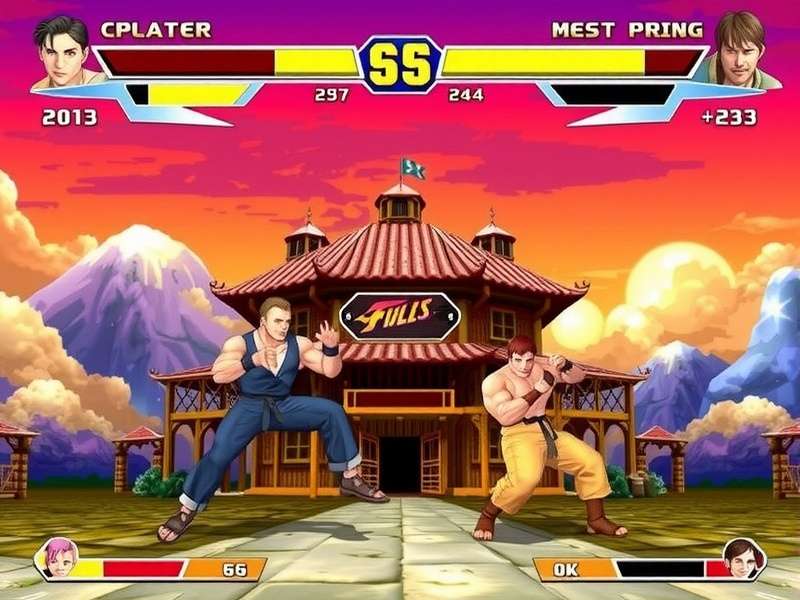
The iconic roster of Street Fighter has grown immensely since its humble beginnings. (Image: Capcom)
The Genesis: Why Order Matters
Understanding the Street Fighter games in order isn't just about chronology—it's about appreciating the evolution of gameplay mechanics, storytelling, and competitive fighting game design. From the original's pressure-sensitive buttons to Street Fighter 6's revolutionary Drive System, each installment reflects a milestone in gaming history.
Our guide goes beyond a simple list. We provide exclusive data from tournament archives, deep-dive analysis of mechanic shifts, and insights from veteran players. For instance, did you know the transition from Street Fighter II: Champion Edition to Hyper Fighting was partially driven by arcade operators combating "button mashing" with faster gameplay? That's the kind of nugget you'll find here.
Complete Release Timeline of Street Fighter Games
Here is every major Street Fighter title, presented in the order they first hit arcades or consoles. We've included defining editions and major updates that significantly altered the meta.
Street Fighter (1987)
The one that started it all. Featured Ryu and Ken as playable characters with pressure-sensitive buttons for attack strength. A cult classic, though overshadowed by its sequel. Interestingly, the original concept for a Street Fighter Gameboy Game would come years later, adapting the core concept to handhelds.
Street Fighter II: The World Warrior (1991)
The genre-defining bombshell. Introduced 8 unique world warriors, special moves, and competitive vs. play. It sparked a global arcade renaissance and established the template for all future fighters. This is where characters like the villainous Bison (Street Fighter) became household names.
Street Fighter II: Champion Edition (1992)
Also known as Street Fighter II': Dash. Allowed mirror matches and made the four Grand Masters (Bison, Balrog, Vega, Sagat) playable. This began the "update" model that would define the series' business strategy for decades.
Street Fighter II: Hyper Fighting (1992)
Known as Street Fighter II': Turbo on SNES. Increased game speed dramatically, added new special moves (like Guile's Flash Kick combo), and is still played competitively today via the Hyper Fighting tier list.
Super Street Fighter II: The New Challengers (1993)
Complete overhaul with 4 new characters (Cammy, Fei Long, Dee Jay, T. Hawk), revised visuals, and a new scoring system. The first to use the "Super" moniker, signifying a major revision.
Super Street Fighter II Turbo (1994)
Introduced the Super Combo gauge and the hidden boss Akuma (Gouki). Arguably the most influential competitive version of SFII, with an active scene to this day. Its balance is frequently analyzed in modern Street Fighter Games Tier List discussions.
The Alpha/Zero Era: Prequels & Innovation
After the SFII explosion, Capcom explored the series' past with a new art style and mechanics.
- Street Fighter Alpha: Warriors' Dreams (1995) – Introduced Alpha Counters, air blocking, and a younger cast.
- Street Fighter Alpha 2 (1996) – Refined mechanics, added more characters, and is often considered the peak of the Alpha sub-series.
- Street Fighter Alpha 3 (1998) – Added the "ISM" system (A-ISM, X-ISM, V-ISM), drastically changing character playstyles.
This era also saw numerous crossovers and home ports, including a memorable Street Fighter Gameboy Game adaptation that squeezed the experience onto the handheld.
Street Fighter III: The New Generation (1997-1999)
A radical departure with a mostly new roster (keeping only Ryu and Ken). Introduced the Parry system, which reached legendary status in the final iteration, Street Fighter III: 3rd Strike (1999). Initially a commercial disappointment, it's now revered as a masterpiece of technical depth.
The Street Fighter IV Renaissance (2008-2014)
After a long hiatus, SFIV brought the series back to its 2D roots with 3D graphics. Its update path followed the classic model:
- Street Fighter IV (2008) – The base revival.
- Super Street Fighter IV (2010) – 10 new characters, new ultras.
- Super Street Fighter IV: Arcade Edition (2011) – Balance overhaul.
- Ultra Street Fighter IV (2014) – Final version with 5 new characters/mechanics.
This era solidified Street Fighter's place in the modern esports landscape, often featuring in Street Fighter Game Awards Categories at major events.
Street Fighter V & The Live Service Model (2016-2022)
Adopted a "games as a service" approach with seasonal updates and DLC characters. Key editions were Street Fighter V: Arcade Edition (2018) and Street Fighter V: Champion Edition (2020). Its rocky launch but strong recovery is a case study in modern game development.
Street Fighter 6 (2023 - Present)
The current king. Introduces the Drive System, modern/simplified controls, and a full open-world "World Tour" story mode. It represents the culmination of 35+ years of design lessons. For many players, figuring out where to Street Fighter Game Download For PC was the first step into this new era.
Mechanical Evolution: A Deep Dive
From Special Moves to Super Arts
The original Street Fighter had simple special moves. SFII standardized command inputs. Alpha added Custom Combos and Alpha Counters. SFIII gave us Parries and Selectable Super Arts. SFIV introduced Focus Attacks and Ultra Combos. SFV used the V-System. SF6's Drive System is the most flexible resource system yet, combining offense, defense, and mobility into one gauge.
The Impact of Home Consoles and PC
The series' move from arcades to living rooms changed everything. Netplay, patches, and DLC are now standard. The demand for a reliable Street Fighter Game Download For PC option is higher than ever, with Steam being the primary platform for many competitive players.
Community Hub
Search Street Fighter Archives
Dig deeper into our extensive database of frame data, character lore, and tournament history.
Rate This Guide
How useful did you find this chronological guide?
Join the Discussion
Share your memories! What's your first Street Fighter game? Which iteration do you think is the best?
Explore More Street Fighter Content
Our encyclopedia covers every facet of the World Warrior universe. Check out these in-depth guides:
Conclusion: The Never-Ending Battle
The journey through Street Fighter games in order is a journey through gaming history itself. From arcade cabinets to global online tournaments, the core appeal remains: two fighters, one stage, and the drive to improve. With Street Fighter 6 thriving and the franchise's future looking brighter than ever thanks to multimedia projects like the New Street Fighter Movie, the next chapter is always being written. So fire up your favorite version, practice those combos, and keep the fight alive. 🏆